



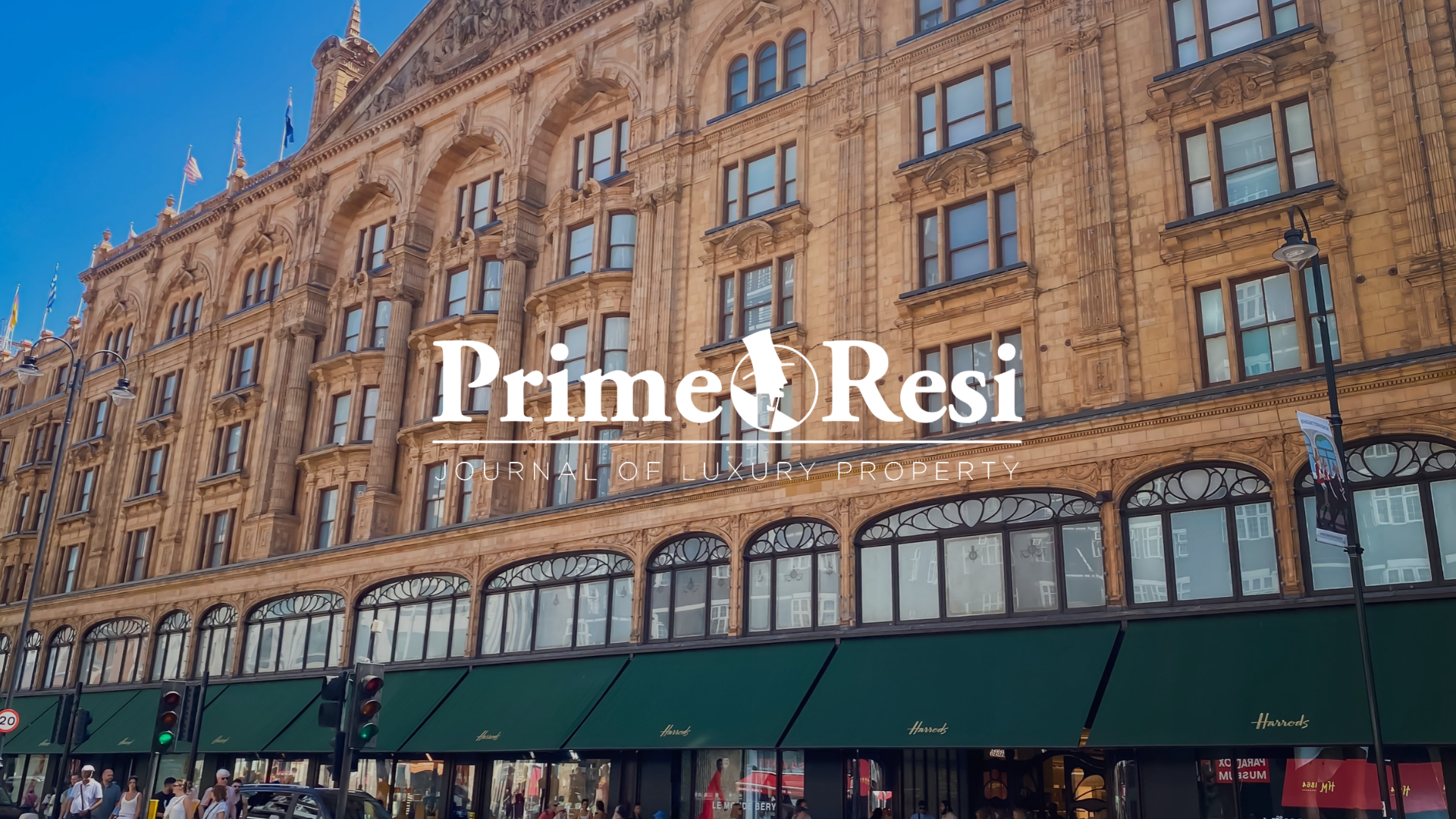
Middleton Advisors’ sales advisor explores the changing fortunes of one of the capital’s most famous enclaves – and where today’s moneyed purchasers have been turning their attention.
A well-written piece about Knightsbridge that recently ran in the FT’s House & Home made me wince. The article largely talked about how Knightsbridge has lost its cachet with buyers opting for different prime enclaves across central London, reports James Moran.
Chelsea has probably captured the broadest share of the old Knightsbridge buyer, particularly the purchaser who wants to be in prime central London but also wants to buy a home to live there properly. It has retained attractive architecture, provides a village feel with a wide selection of restaurants, world-class retail and international recognition, as well as matching the history and heritage of Knightsbridge. Belgravia remains exceptionally secure, but it is perhaps more of a formal, established wealth play than the place that has inherited Knightsbridge’s former energy.
Other areas that have shared in the exodus from Knightsbridge are Notting Hill, Holland Park and Kensington for families and lifestyle-led wealth, where gardens, schools, architecture and a stronger sense of neighbourhood are often more valuable than being close to a world-famous department store that was once affectionately known by Knightsbridge residents as their “corner shop”.
Then there’s reinvented Marylebone and parts of Regent’s Park and St John’s Wood for buyers who value a more contemporary, amenity-rich version of central London. St John’s Wood in particular is a perennial favourite, loved by American families with The American School on their doorstep, offering secure lateral houses, gardens and parks creating a far less urban environment yet having fast convenient access to the West End.
My advice is not to “buy in the hottest postcode”, but to buy the best house or flat within a genuinely enduring micro-location. For example, parts of W2 that are often overlooked, have since been boosted by the success of The Whiteley. Geographically, it sits between two prime areas, Notting Hill and Mayfair, but historically buyers have turned their noses up and the area has been bypassed by its more glamorous neighbours, yet shares similar convenience of location, architecture and convenience.
Long-term value tends to sit with scarcity such as a proper address, good proportions, outside space, parking where relevant, strong architecture, obvious potential, and a setting that cannot be recreated.
Knightsbridge has not been replaced by one single other part of PCL. The market has become more discerning, and the strongest long-term locations are those that combine genuine scarcity with a richer, more liveable version of London. Chelsea, Holland Park, Notting Hill, Kensington and selected parts of Marylebone and St John’s Wood each appeal to a different form of wealth.
The common thread is buyers no longer want merely a famous postcode trading off a ‘corner shop’ that now has inherited negative associations from its former owner. Serious purchasers are increasingly willing to pay a price for quality of life coupled with convenience and a sense of community.
Read the article here.